

A number of the breeds on our Livestock and Poultry Watchlists have been developed in Australia. This page lists those breeds to showcase the Australian "component" of the Rare Breeds Trust of Australia. Unfortunately some of the breeds have now been classed as Lost.
Of course there are other non-rare Australian developed breeds such as the Droughtmaster, but on this page we profile just those livestock and poultry breeds that are "home grown" rare (and lost) breeds.
A breed is a standardised “genetically defined” animal that breeds with other true representations of a breed. “A breed is a true genetic breed when mated together. In other words it breeds true to type.”
Do you have any pure bred animals of the breeds identified as Lost? If so, we would love to hear from you. Please email rarebreedstrustau@gmail.com
All photo credits where not noted on this page are provided on linked pages.
| Cattle | Donkeys | Goats | Horses | Poultry | Sheep |
Cattle
|
LOST Beef The Adaptaur was a tropically developed Bos taurus originally bred at the former CSIRO National Cattle Breeding Station at Belmont Station near Rockhampton, Queensland in the 1950s. It was one of the “breeding performance recorded” cattle, where weight gain, resistance, and growth rates were tracked over a period of time. The breed was developed with crosses of Hereford and Shorthorns. Find out more here.
|
CRITICAL Dairy Developed by the Queensland Department of Agriculture from 1961 when a Sahiwal bull, a Bos indicus breed from Pakistan, was crossed with Holstein-Friesian cows. The aim was to create a dairy breed that coped with tropical conditions, as pure Bos indicus had a low milk yield and pure Bos taurus (Friesians in this case) often failed to conceive in hot conditions. Find out more here.
|
|
AT RISK Beef The Australian Heritage Angus traces its roots back to three sources: The Trangie Angus Herd, Scottish Bred Angus and Aberdeen cattle, and select New Zealand pre-1968 Angus genetics. There has been no American Angus genetics introduced into the breed since the 1960s. Find out more here.
|
WATCH Beef Beginning in 1974, the Meat Research Corporation funded trials which produced the Lowline breed. The trials were set up to evaluate selection for growth rate on herd profitability. The aim was to establish whether large or small animals were more efficient converters of grass into meat. This trial continued for 19 years. After 15 years of selective breeding, the Lowline herd had stabilised at about 30 percent smaller than the High Line cattle. In 1992 the Australian Lowline Cattle Association and the breed name, Australian Lowline, was officially registere Find out more here.
|
|
LOST Dairy The Australian Milking Zebu (AMZ) was a composite breed of dairy cattle, developed by the Commonwealth Scientific and Industrial Research Organisation (CSIRO) during the mid-1950s. To develop the breed, the CSIRO bred Sahiwal and Red Sindhi cattle from Pakistan with Jersey cattle. Some Illawarra, Guernsey, and Friesian genetics were also included.
|
WATCH Beef This breed was developed by the CSIRO from 1954 on the cattle research property, Belmont, on the Fitzroy River in Queensland, near Rockhampton. In 1972 the first lot went to the Maynard family of Mount Eugene in central Queensland, according to their website. On Mount Eugene for a further eight years, the CSIRO and DPI conducted more field trials. Find out more here. |
|
CRITICAL Beef Developed in New South Wales from the early to mid 1960s by Rick Pisaturo on his property Mandalong Park, near Sydney. By 1980 Rich was selling purebreds of the new breed he'd formed. Charolais, Chianina, Shorthorn, British White, Brahman used. Find out more here.
|
VULNERABLE Beef Rick Pisaturo of New South Wales developed the breed in the 1990s as he wanted to provide better beef quicker for his customers. He choose moderate framed Murray Grey cows and bulls with superior muscling and early maturation to achieve a compact size that finished well and early on grass.. Find out more here.
|
 ADAPTAUR
 AUSTRALIAN FRIESIAN SAHIWAL
 AUSTRALIAN HERITAGE ANGUS
 AUSTRALIAN LOWLINE
 AUSTRALIAN MILKING ZEBU
 BELMONT RED
 MANDALONG SPECIAL
 SQUARE MEATERS
Donkeys
|
CRITICAL Carriage, Riding, Companion/Livestick Guardian Animal Australian Teamster enthusiasts have encouraged Australians to value their local donkey breed. There are contractors who muster donkeys from the Outback and offer them for sale. There are also a few studs who breed Teamster Donkeys. The Australian Teamster is now used for saddle riding, carriage driving, packing, in the show ring and as a companion animal. They are also sometimes used to guard livestock. Their solid nature makes them great as a child’s mount. In 2005 the name ‘Australian Teamster’ was coined by the EIDSA All Breeds Inc (now Donkey All Breeds Society of Australia) as a term that described their type, style and historic origins. There are very few registered Teamster Donkeys, which is what the RBTA counts. Registration ensures survival to a considerable degree. Find out more here. |
 AUSTRALIAN TEAMSTER DONKEY
Goats
|
CRITICAL Fibre During the 1920s and 1930s there was virtually no interest in Angoras in Australia and by 1950, all interest had gone, with the only flock with a history going back to "the good old days" was the "Banksia" flock. For all practical purposes the flocks built up in the 19th and very early 20th centuries had been killed off or allowed to go feral. The Banksia stud of Mr. Barton was registered with the Goat Breed Society of Australia in 1947. By 1963 fourteen studs were registered with this Society. Volumes 5 to 16 of the Goat Breed Society of Australia records the first five hundred that were pure bred. With the upsurge of interest in the Angora goat, an upgrading program began in the 1960s using feral and dairy goats. All Australian Heritage Angora goats trace their pedigrees back to the purebred Banksia flock. There are only three registered studs breeding the Australian Heritage Angora goat. Find out more here. |
CRITICAL Meat, Dairy In the DGSA (Dairy Goat Society of Australia) herd book the original imported Anglo Nubians and their direct descendants were given the prefix AN on their registration numbers ie AN1 AN2 etc. Out crossed goats were registered with a prefix Nu. Because of these prefixes they became known as AN's and Nu's. A few dedicated studs in NSW, QLD, and WA persevered to keep the AN lines going. In 2005 a submission was made to RBTA to have the AN Anglo Nubians recognised; also a Breeders Group - Heritage Anglo Nubian Preservation Society of Australia - was formed to actively promote the breed. Find out more here.
|
|
CRITICAL Meat
Approximately 150 years ago, the British Admiralty had a policy of dropping goats on islands to serve as food for shipwrecked sailors. There were many such islands along the coast of Australia, including Percy Island, which lies 70 Nautical miles to the South East of Mackay, Queensland. To this day, some of the descendants of these heritage goats introduced to the Island by the Royal Navy in 1874 by Staff Commander Bedwell of the HM schooner ‘Pearl’ still inhabit this island. There would have been a variety of breeds dropped off initially but over the last century they have developed into their own breed - also known as Colonial Percy Island Goat They seem to be the most closely visually & characteristically linked to the Old English Goat, Swiss Oberhasli Goat & Indian Bengal Goats. Find out more here. |
|
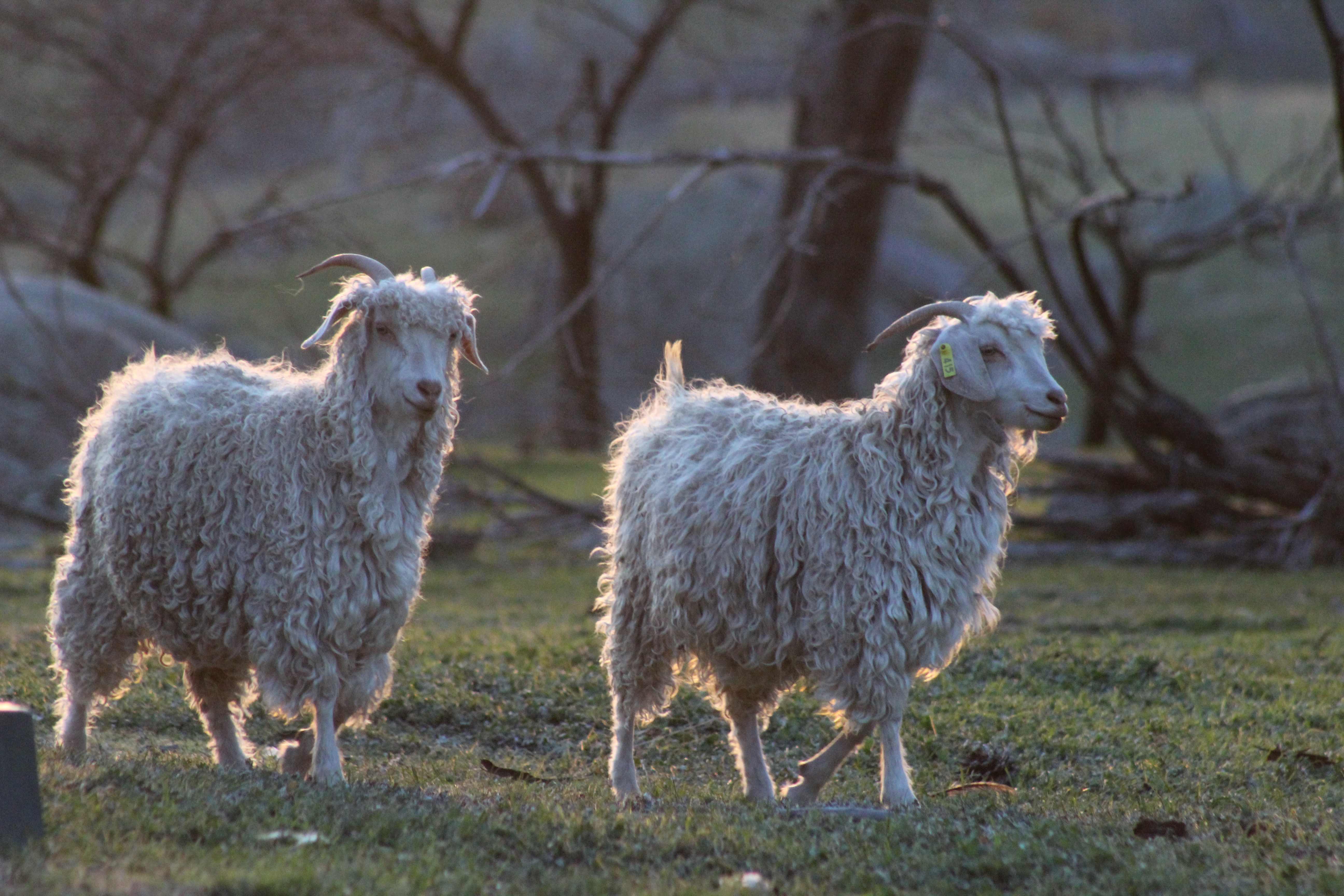 AUSTRALIAN HERITAGE ANGORA
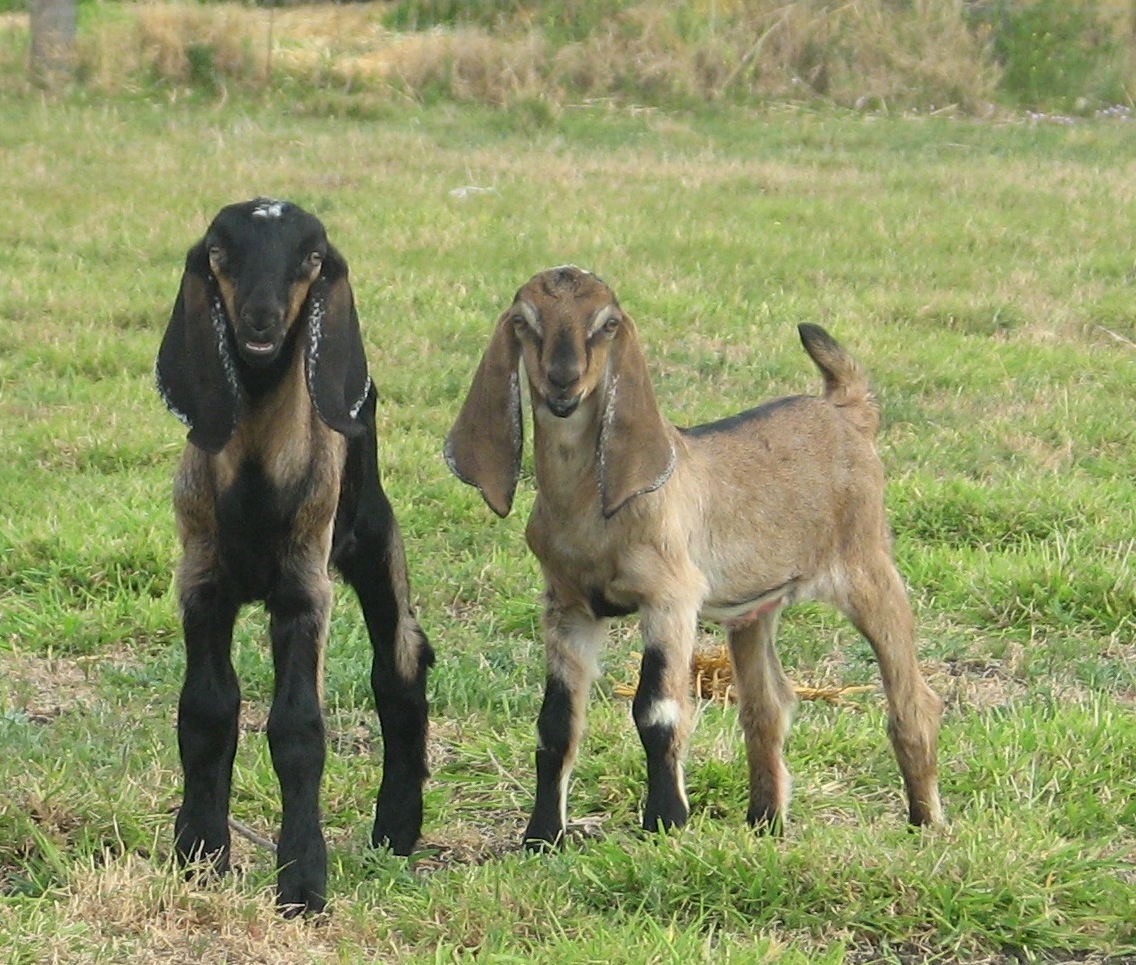 AUSTRALIAN HERITAGE ANGLO NUBIAN
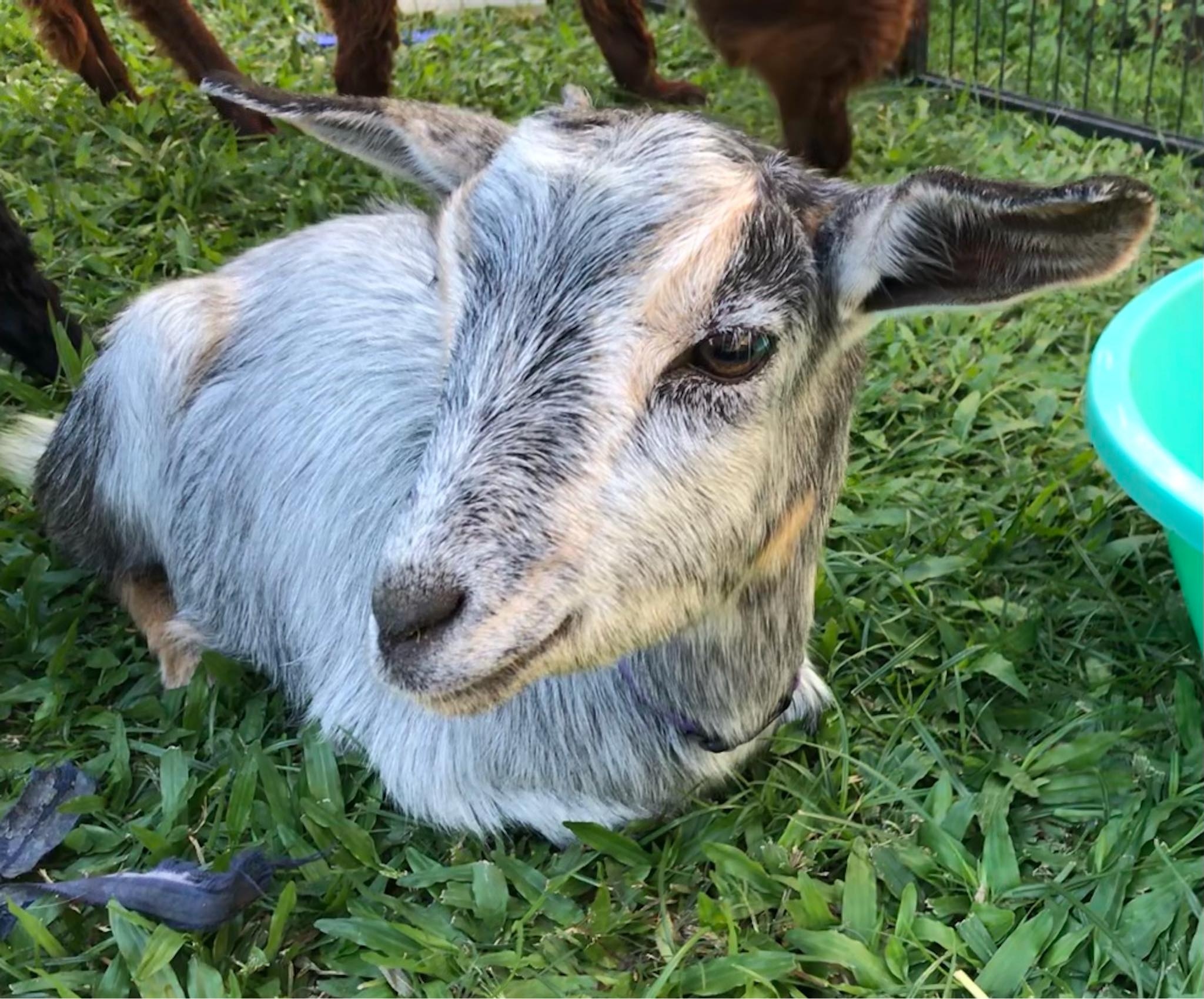 AUSTRALIAN PERCY ISLAND GOAT
Horses
|
CRITICAL Following colonial importations of horse breeds and their interbreeding, a distinct type of pony had emerged in Australia by 1920, The first Australian pony stud book, the Australian Pony Stud Book Society, was formed in 1931. The Australian Pony section of the stud book incorporated all of the mountain and moorland pony breeds that had been imported from the turn of the 20th century as well as the Australian Pony. Find out more here.
|
CRITICAL Walers got their name from being known as the “Horses from New South Wales”. Horses brought to Australia in early settler colonisation via the Cape of Good Hope, Timor Island, and Britain went into the ‘genetic melting pot’ to create a uniquely Australian horse of mixed breed. The Waler horses developed from a diverse mix of pony, coach, riding, and draught horses. These were chiefly Cape Horses (Basuto and Barb types), Timor Pony, Clydesdale, Thoroughbred, coaching breeds, and British Native breeds. To ensure today’s Waler is true to its origins, they must be from bloodlines of 1945 and earlier, meaning no other breeds may be permitted in Walers seeking Purebred registration with The Waler Horse Society of Australia (WHSA). The WHSA collects DNA from all registered Walers to further protect the future of the Waler. Find out more here.
|
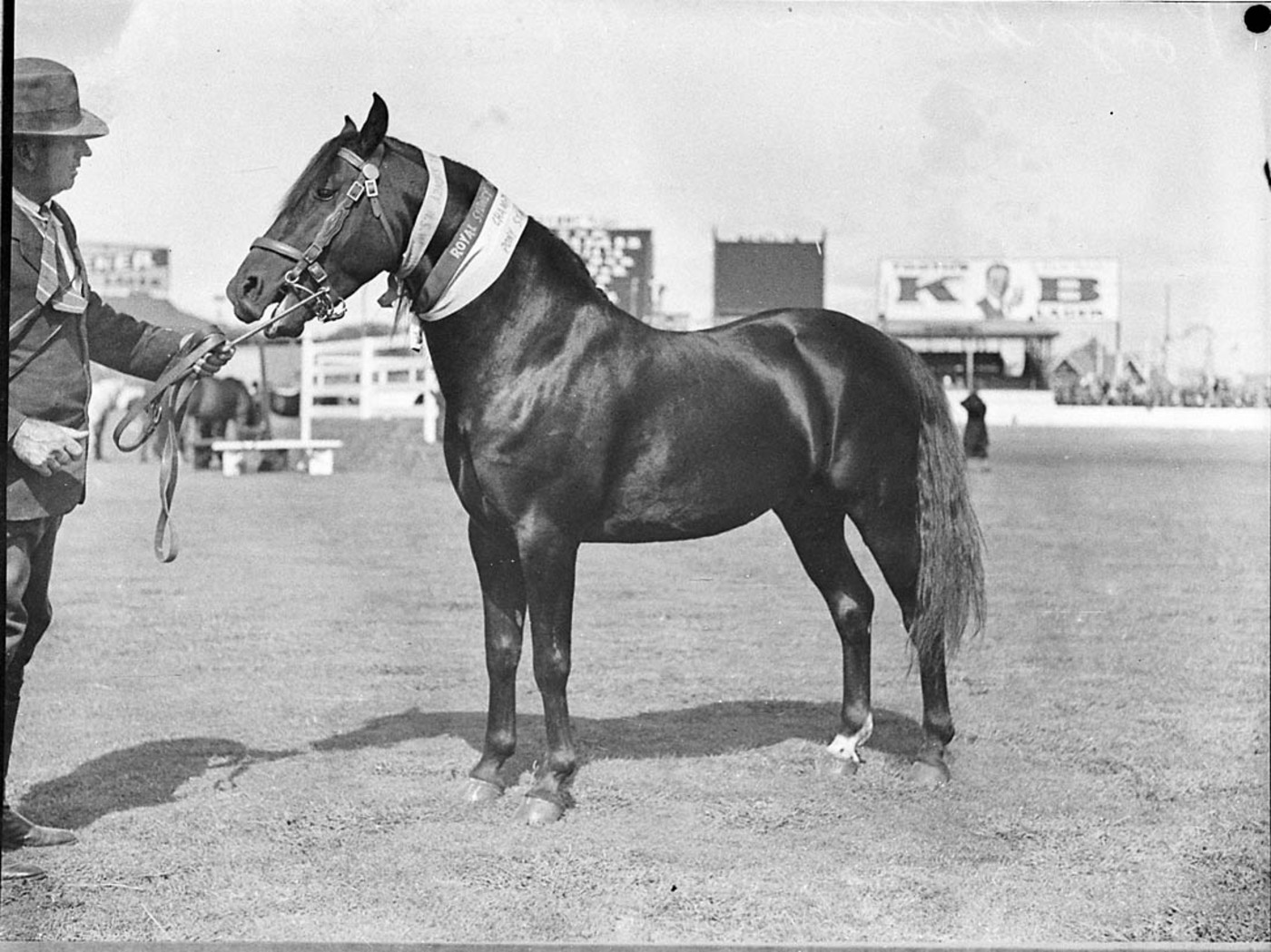 AUSTRALIAN (TRADITIONAL) PONY
 WALER
WALER
Poultry
|
WATCH Table The Australian Game was developed from the Australian Pit Game. The Australian Game's plumage is hard and brittle.They are large, solid and muscular and are considered a good meat bird. They were originally called Colonials and were highly prized for their stamina and great courage. Find out more on the Trust's Hardfeather poultry page. |
OF CONCERN Exhibition The Australian Pit Game was developed in the 1900's, for cockfighting, by British soldiers in New South Wales. The Australian Pit Game is one of the most loosely standardised breeds in Australia. It can be large or small, single or pea combed, any colour and cock feathered, hen feathered, tasselled or muffled. They have been standardised since 1936. The Bantam form ois not classed as rare by the RBTA. Find out more on the Trust's Hardfeather poultry page. |
|
OF CONCERN Table The Austrailian Settler goose was renamed from Pilgrim to Australian Settler with the 2012 APS. This reflected their reconstruction in Australia from remnant stock. The Australian Settler is an auto-sexing breed. Find out more on the Trust's Geese page.
|
OF CONCERN Eggs, Exhibition The Elizabeth duck was first bred at Merrylands, New South Wales, in 1972 by Mr. Lance Ruting and named after his wife Ann Elizabeth Ruting. It is said to have appeared when Mr. Ruting crossed a Rouen Clair type with brown farmyard ducks to create a small, fast growing meat duck. It is a pretty duck with similar colouring to the Welsh Harlequin but smaller and stockier than the Welsh. It is currently only bred in Australia Find out more on the Trust's Duck page.
|
|
NOT YET RATED Meat The gene pool of purebred turkeys is being kept alive on King Island, thought to be home to the only untouched bloodline of fowls in Australia that originated from the United States. The King Island Turkey is is an exceptional-quality small frame "bronze turkeys" roaming free, whose winning attributes were a small frame and neat stripes. The birds weigh up to eight kilograms. Photo credit. Rick Eaves, ABC Northern Tasmania. |
NOT YET RATED North West Island had a population of feral chicken which may have been introduced onto the island by British Settlers in 1788. While it is possible there have been rare injections of new blood from Australia or other places in the early years it seems likely that these North West Island Feral Fowl have been bred in isolation for over two hundred years under natural selection pressures. Find out more here.
|
|
OF CONCERN Eggs Retired biochemist Dr. Gil Stokes spent seven years developing the Quamby - a dual-purpose chook from the English Sussex and New Hampshire breeds. The Quamby is not yet not formally recognised although a submission has been made for APS recognition. Dr. Stokes named it the Quamby from the rocky outcrop of Quamby Bluff, near his Tasmanian farm. The Quamby became available in 2019. More information on the development of the Quamby can be found here. |
CRITICAL Eggs The Watervale was developed in the 1980s on a property in Watervale, South Australia, by Mr. Holder, from a colour sport from a flock of Cayugas. Matings of Watervales back to unrelated Cayugas has proven the Watervale is a recessive mutant colour. Find out more on the Trust's Duck page.
|
 AUSTRALIAN GAME FOWL
  AUSTRALIAN PIT GAME (LARGE FORM)
 AUSTRALIAN SETTLER GOOSE
 ELIZABETH DUCK
 KING ISLAND TURKEY (NON APS)
 NORTH WEST FERAL FOWL (NON APS)
 QUAMBY (NON APS)
 WATERVALE DUCK
Sheep
|
LOST Meat Developed in Australia as a prime lamb producing breed in response to falling wool prices in the early 1990s, they are a crossing of Australian Southdown and European Texel with a minimum of 75% of either breed. Find out more here.
|
VULNERABLE
The Babydoll derives from the older, smaller type of Southdown. These sheep kept the traditional features:
In Australia, breeders also began using the name “Babydoll” to distinguish the heritage type from the larger, modern Southdown. These sheep are now known internationally as the Babydoll. Find out more here. Image credit Aus Ch Tanjar Little Spot With permission Deborah Royans |
|
VULNERABLE Wool Captain John Macarthur, a British military settler in NSW, obtained three rams and five ewes from one flock, and a ram from another flock in Capetown in South Africa in 1797 and established them as a flock. These fine wool producing sheep are believed to be descendants of the Spanish "Esturial" Merinos, given to the Dutch Government by Spanish Royalty. In 1804, Macarthur imported from London five rams and one ewe from the Merino flock of King George III, descendants of Spanish "Negrette" Merinos, It was these two flocks which formed the nucleus of the Merino sheep bred at "Camden Park" by John and Elizabeth Macarthur. The flock has passed through many hands since that time. The registered flock number 3164, run at Mt Bute, is a closed flock with no outside additions and will continue to be run in this manner to preserve and maintain the direct bloodline from Macarthur's 'Camden' flock. Find out more here.
|
ENDANGERED Meat, Terminal sire The Coolalee is an Australian short wool, meat sheep breed, developed from an eight-year breeding program commenced in 1968. The breed resulted from the crossing of the Wiltshire Horn, Suffolk, Hampshire Down, Poll Dorset, Lincoln and English Leicester sheep breeds. The first Coolalee rams became commercially available in 1983. These rams are used as terminal sires for prime lamb production. Find out more at Grokopedia
|
|
LOST Wool, Meta Cormo is a dual-purpose breed of sheep developed in Tasmania, Australia, in the early 1960s through selective crossbreeding of Corriedale rams with superfine Saxon Merino ewes, prized for its exceptionally fine wool, high fertility rates, and balanced meat production. The breed was pioneered by Australian sheep breeder I.K. Downie, who aimed to combine the Merino's wool quality with the Corriedale's productivity and hardiness, resulting in sheep that yield high clean fleeces while maintaining fiber diameters of 17-23 microns for softness and luster. Find out more at Grokopedia
|
CRITICAL Meat, Carpet wool The Elliottdale was developed in the 1960s and early 1970s at the Elliott Research Station in Tasmania. It was commercialised in 1976, when the Australian Carpet Wool Industry was established. The Elliottdale Project was terminated in 1993 and the Research Station became a Dairy Research Facility. Mr. Carl Terrey, a research worker and member of the Elliottdale Research team bought several of the sheep and bred them for many years. Find out more here
|
|
GLENVALE LOST We are looking for information on the Glenvale sheep breed. Can you help? Please email us if you can help us. |
LOST Meat, Wool Gromark sheep are a large-framed, plain bodied dual-purpose (meat and wool) breed of sheep that were under development in 1965 by Arthur C. Godlee at "Marengo", Tamworth, New South Wales. They were selected for a high growth rate, fertility, wool quality and carcase attributes. Find out more at Wikipedia. |
|
HYFER LOST Meat, Wool The Hyfer was a composite sheep breed. The breeding program was initiated by NSW Agriculture in 1978. Rams from 2 high fertility Merino strains (Booroola and Trangie Fertility) were joined to Poll Dorset ewes. These breeds and strains combine high lambing rate and out of season bteeding abiity with good lamb growth, carcass quality and wool traits. Find out more here. |
CRITICAL Meat Poll Wiltshire Sheep are a wool shedding prime lamb breed due to having no back crossing. The Poll Wiltshire was developed from the 1990s from a natural occurrence in the Byarlea Wiltshire Horn Stud sheep flock in the Flinders Ranges area of South Australia. They have the same characteristics as the Wiltshire Horn, without the horns. Extensive genetic testing through Pfizer Animal Genetics has been completed to confirm that this line was 100% pure Wiltshire. Find out more at ASSBA |
|
ROMSDOWN LOST From Townsville Daily Bulletin Thursday 26 October 1939 "Mr. Keith Headlam, of Burlington Estate, Cressy, conceived tbe Idea of developing the Romsdown by crossIng Southdown rams with Romney Marsh ewes. By breeding on and culling heavily, he flxed the type, In which he has gained the good qualities of both the Southdown and the Romney. Source. Trove |
AT RISK Meat The Wiltipoll breed is a composite breed developed in Australia in the 1970s from Wiltshire Horn sheep with the infusion of Border Leicester, Perendale, Poll Dorset, and Poll Merino genetics and are raised for their high quality meat. Find out more. |
|
LOST Wool The Zenith was developed in the 1930s and 1940s by Mr. G. W. Hogg, of Truro, Pleasant Hill, near Henty. The Zenith was based on a Merino-Lincoln strain. Image credit Victoria Collections. |
|
 AUSSIEDOWN
 BABYDOLL
 CAMDEN PARK MERINO
 COOLALEE
 CORMO
CORMO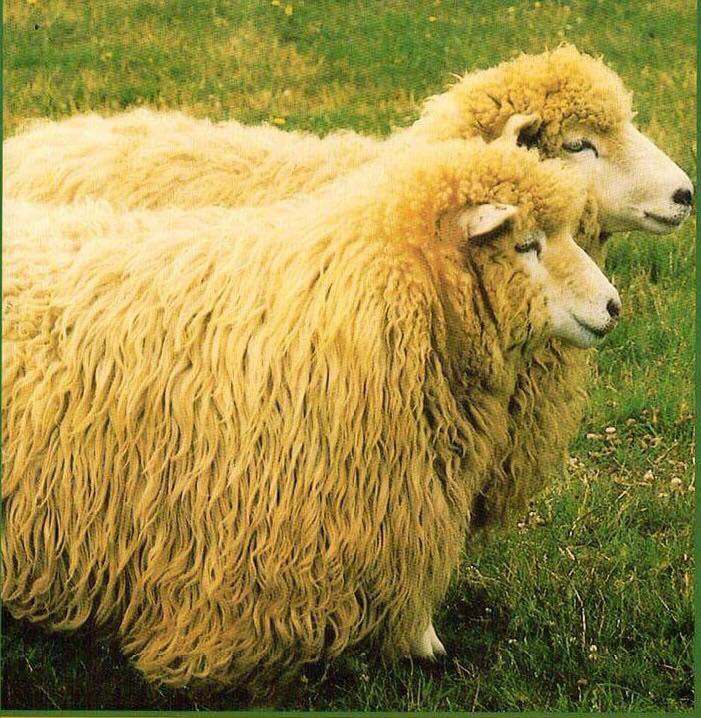 ELLIOTDALE
 GROMARK
 POLL WILTSHIRE
 WILTIPOLL
 ZENITH
